High-quality, factual articles on hacking, programming, as well as retro computers, electronics, and the demoscene. Sounds tempting, doesn’t it? Well, they’re available for free to anyone following the development of the “Paged Out!” project. Let me invite you to an interview with Gynvael Coldwind, the creator and lead of the project. He’ll walk us through the vision behind it, the backstage of the publishing process, and share some fun facts from the making of each issue!
Paged Out! A free and experimental technical magazine
The first issue came out in August 2019 and set the bar high! It featured nearly 60 articles on a wide range of topics, such as explaining hardware trojans with practical examples, injecting code into running processes using ptrace, or reverse engineering Android apps. There were also gems like building a motorized shopping cart 😀
Since then, five issues have been released, with a longer break between November 2019 and December 2023. Still, each subsequent release brought an even richer selection of fascinating content that, in my view, gives the project its unique identity through topic diversity. There’s something for everyone–and the short, digestible format makes it easy to get acquainted with each topic. The content is also aligned with current trends, which can be seen in the latest issue’s “Artificial Intelligence” section featuring six solid AI-related articles.
But I won’t spoil too much – go ahead and browse through the archives. You’ll get a serious dose of both knowledge and fun 🙂 Definitely read till the end, because you’ll find out where to grab the printed version of the newest Paged Out! issue!
Who Created Paged Out!?
Gynvael Coldwind is a globally recognized IT security expert. For over two decades, he’s been spearheading initiatives for hacking and developer communities both in Poland and internationally. He continues to create content for his YouTube channels (@GynvaelColdwind and @GynvaelEN) and recently joined forces with Sekurak.pl to provide both free and paid training.
He co-founded and for many years served as the captain of the renowned CTF team “Dragon Sector” – one of only two teams in the world to have won an entire season three times. Professionally, he currently holds the role of Managing Director at HexArcana, a company he also founded. Under this brand, he is creating his own CTF-like educational platform hackArcana.com.

I once came across a comment on an IRC channel saying that Gynvael is somewhat of a mentor to a large part of the Polish hacking and security scene. Thanks to him, many people entered the industry using his invaluable tutorials, resources, and direct advice. I can certainly attest to that myself – I eagerly soaked up knowledge back in the days of the polish #uw-team channel and the old portal of the same name 🙂
What’s up with the project?
Let’s get back to Paged Out! – I had the chance to ask Gynvael a few questions about the magazine. I believe his answers will give our readers a better understanding of the project’s philosophy and character, as well as a look behind the scenes at how each issue comes together.
Adwersarz.pl: Where did the idea for Paged Out! come from? Why the one-article-per-page format?
Gynvael Coldwind: Honestly? I was just getting a bit burned out reviewing 10- to 20-page articles. At the same time, I had these old issues of Bajtek magazine (published from 1985–1996) in my mind. Some of those articles were only half a page long, or even a third of a page! Sometimes they consisted only of a code listing, maybe a title, and a single line of explanation – and I used to love trying to figure out how exactly the code was doing what it was doing. So I started wondering whether a „magazine with strict article length limits” might actually work – especially since it seemed like there was a real niche for content of such size. Along the way, other ideas joined in: like not enforcing a unified layout across all articles, and automating the typesetting. Eventually, those ideas became a plan, and the plan became Paged Out!
You mentioned automated typesetting – the site says authors should submit a PDFs, but… not ones from Photoshop?
That’s right! Instead of using a traditional layout editor (DTP), we have a DTP developer – that would be foxtrot_charlie, along with his small team: tusiak_charlie and a certain anonymous gentleman who supports us with his experience. The layout is handled by a fairly complex Python script, which processes – or orchestrates the processing of – the PDFs authors submit. PDF is a weird and very complex format, and authors use all kinds of tools to make their articles. The most surprising one, for me, was the aforementioned Adobe Photoshop. We ultimately had to ban it – it produces enormous PDFs that would require a lot of manual optimization. Worse yet, it has a habit of unpredictably rasterizing text, which makes it impossible to copy code from articles and also breaks compatibility with screen readers.
Aside from the DTP team, who else is currently part of the Paged Out! crew?
Our editor-in-chief, Aga, is by far the biggest contributor at the moment. The editing team includes disconnect3d, Hussein Muhaisen – who also helps with securing sponsors – KrzaQ, Tali Auster, Touhid M Shaikh, and Xusheng Li. Our additional programming support comes from Dejan aka hebi, who keeps all our helper scripts running smoothly. I also have to mention that many other people have been part of the team over the years, and I’m incredibly grateful to all of them for their help.
How does the open-access model work behind the scenes? How has the community responded to it?
Paged Out! is essentially my private hobby project – though once it becomes financially self-sustaining, I plan to move it under a non-profit foundation. Right now, most of the team are volunteers who invest a lot of time and heart into it. My long-term goal is to be able to pay everyone on the team – that would make the project more stable. But we’re not quite there yet.
Before the first issue came out, we were honestly unsure how the computer community would react to such an oddball format – one page per article, each one looking different, entirely digital but laid out in A4 format. Fortunately, the first issue flew off the virtual shelves – it was downloaded nearly a quarter of a million times. Even better, the feedback we got was overwhelmingly positive – which gave us a huge motivation boost!
It may be a hobby project, but the Paged Out! trademark is officially registered. What’s the story there?
Ah, yes. Early on, a certain group reached out to us with an article about a new, supposedly miraculous cryptocurrency. The article raised a few red flags, so we initially asked for some revisions – but eventually had to reject it. The authors didn’t take it well. They basically said, “Fine, we’ll make our own magazine called Paged Out!, with our product ad published there!” – that Bender meme comes to mind. They even registered a domain for it. Fortunately, their threats fizzled out quickly. But I figured it would be wise to register the trademark just in case. So yep – not just Paged Out! but Paged Out!® 🙂
You said they submitted an article. So how do you usually source authors – do you send out invitations, or is it mostly community-driven? Do some authors work with you regularly?
Yes. On one hand, we actively search – we keep a running list of interesting blog posts or social media threads, then follow up to see who the author is and send them an invitation. On the other hand, many of our authors are readers who decided they’d like to contribute something. And yes, there are quite a few returning contributors who’ve already published in earlier issues. Several members of our editorial team also regularly write for Paged Out!
Can you tell us a bit more about the authors themselves? Judging by the names, it seems they come from all over the world.
No surprises here – they’re people passionate about computers, IT, electronics, and technology in general. We’ve got authors from just about every time zone, spanning a wide range of ages, levels of experience, and specializations.
What makes an ideal Paged Out! author, in your opinion? Are you looking more for technical experts, or hobbyists with fun ideas?
Every interesting article is welcome, regardless of whether it’s written by an expert, a hobbyist, or someone just diving into a new topic and sharing their first observations. If I had to name one key trait, it would be patience – articles often spend a few weeks in the queue waiting for an available editor.
That said, we still don’t have too much visibility amongst authors who could cover some of the more niche topics we’d love to feature – things like game glitches (especially in the context of speedrunning), or technical deep dives into “movement tech” in games like Apex Legends. More broadly, I’d love to see even more articles on retrocomputing, electronics, and radio tech.
AI is all the rage right now. What’s your stance on it as a magazine team? Are you getting a lot of articles written by LLMs?
True, AI is everywhere – and unfortunately, often forced on us whether we like it or not. For example, Google raised our Google Workspace subscription cost “to reflect the added value of AI” – which we don’t even use. But back to the point.
We spent quite a bit of time and thought figuring out where to draw the line. It’s a complex issue. In the end, we decided to allow the use of AI tools for editing and proofreading text written by a human – but not for generating full articles from scratch. For one thing, it’s unclear whether the “author” would even hold the copyright to such a piece – the legal status of AI-generated content is still terra incognita. The same applies to AI-generated illustrations – we only allow them in articles that are specifically about the generator used to create them, and only as examples of that generator’s output.
What does the editorial process look like, from accepting an article to publishing it? How many people are involved?
Every article starts by going through me for an initial review – mainly to see if it fits Paged Out!’s thematic scope. Then it goes on a queue of articles waiting for editing, where it usually sits for a while until a technical editor picks it up. Once edited, it goes to our editor-in-chief, who handles final language tweaks – and then it’s ready for publishing.
How do you decide which articles make the cut – is it about technical quality, uniqueness, or reader accessibility?
To be honest, and contrary to popular belief, we don’t do hardcore selection. In the entire history of the magazine, we’ve only rejected a few articles – mostly because they didn’t fit the magazine’s theme. My personal approach is that we want to work with authors and help them express what they want to say as clearly as possible. Sometimes that means fixing a few typos or minor factual errors, sometimes it’s suggesting a better structure, and in rare cases we’ve completely overhauled an article.
At the end of the day, the goal of Paged Out! is to be a magazine of one-page tech curiosities – not a venue for publishing complex scientific research. A single page just doesn’t give you enough space for the latter.
When browsing the Paged Out! site, one might notice that articles about malware seem to be excluded, right?
Yes and no. Articles that are analytical or documentary in nature – say, about how a particular piece of malware works, or that are clearly written for malware analysts – are absolutely welcome. But articles that in any shape or form encourage creating malware are not, even if they claim to be “for educational purposes.”
That said, we have no issue with red-teaming tools. Sure, at first glance, the line between “malware backdoor” and a “red-teaming backdoor” may seem blurry. But that’s really only at first glance. The intent behind the software makes a big difference, and it’s pretty clear in how the tool is built. Malware – i.e. malicious software – is designed to be, well, malicious – like stealing money from a bank account. Meanwhile, red-teaming tools are meant to – in the end – improve an organization’s security posture, with that organization’s knowledge and consent. So even if a red-team tool might look like malware, it’s built carefully to avoid damaging systems or accidentally leaking information. That’s why sometimes an author sends us an article and gets a reply… with a bit of a philosophical debate about what it is that they’re actually trying to say 😉
How has the project been received so far? Has the publishing format helped you build a community or attract sponsors and partners more easily?
As for the community – that’s a tricky one, because building a “Paged Out! community” hasn’t really been our goal. In my view, the community is made out of various existing communities of people interested in computers, electronics, and deeply technical topics. What we do consciously focus on however, is making sure our communication channels are solid, so we can announce each new issue and hopefully attract new contributors.
In terms of sponsorships – we’ve had good experiences. I’ve sought sponsors for various projects in the past and, anecdotally, Paged Out! has been the easiest project to secure support for. That said, it still requires a lot of work.
If you download the latest issue twice, you get two different PDF files – what’s going on there?
Paged Out! is funded through sponsorship ads – basically bought and paid ads placed within the magazine. Some ad placements are more desirable than others – like at the beginning of the issue, where more people will see them, versus halfway through, where fewer readers tend to reach. Naturally, sponsors want the best spots. But those premium spots are limited, and that creates a problem.
So we came up with a pretty unique solution – something that only works because Paged Out! is generated automatically. Instead of creating just one version of the PDF, we generate a full set in which every ad rotates through every available slot. Then, every minute, we randomly swap which PDF from said set is linked to for download. This way, every ad has an equal chance of being seen in a prime location. I’ll add that the idea was well received by the sponsors – the reactions ranged from „cool solution” to „huh, we actually never thought about ad placement” ;).
What are the biggest challenges the project is facing right now?
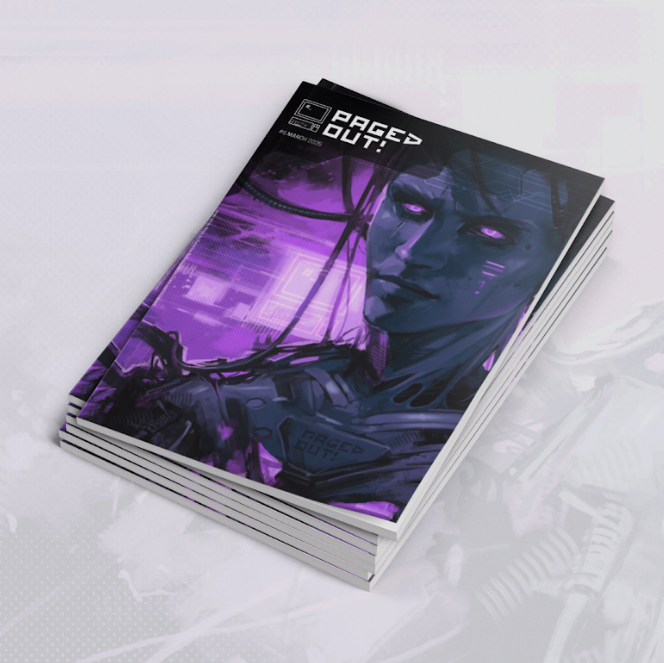
First: the printed edition. From the beginning, the plan was for Paged Out! to be printable – hence the A4 layout. The first issue was printed in a 500-copy test run and handed out at the PWNing conference. But shortly after that, we started overhauling a bunch of internal tools… and then the pandemic hit. The project went dormant for a while. Last year, we managed to dust it off and get it rolling again. Since then, three new issues have come out – and the most recent one, issue #6, is sitting here on my desk in printed form. It’s just a proof copy, but over 2,000 copies are currently being printed at various printing houses and will be handed out at several conferences.
Second: project finances. From day one, the idea was that Paged Out! – though free – should be financially self-sustaining. The last two issues were just slightly in the red, which is actually a big improvement compared to the early days. We’re exploring ways to boost revenue, though it’ll take time – especially since expenses are going to increase as well.
Third: accessibility for screen readers. Building the magazine from submitted PDFs has a lot of downsides, and accessibility is probably the biggest one. Right now, unfortunately, this issue is on the back burner. We have to sort out some other PDF-related quirks first – but we’ll get there eventually.
Can you tell readers which upcoming conferences will feature the printed editions?Today, 500 copies were delivered to the organizers of Confidence – one of the biggest cybersecurity conferences in Poland, happening in Kraków on June 2–3, 2025. After the summer, Paged Out! will appear at Security BSides Cracow (September 27).
Are you planning to expand into new formats, like online events?
Ideas get tossed around in our editorial meetings now and then, but for now we’re focused on delivering what we originally set out to do – and there’s still a bit of work left on that front. That said, I’ve definitely been thinking about events – maybe something like a Paged Out! festival that combines different types of “computer events” into one.
Do you have a platform for directly communicating with the community and project enthusiasts? (Like Discord?)
Yes – Paged Out! shares a Discord server with my YouTube community: https://gynvael.coldwind.pl/discord. If anyone has questions about writing articles, or just wants to hang out with us, they’re very welcome to join.
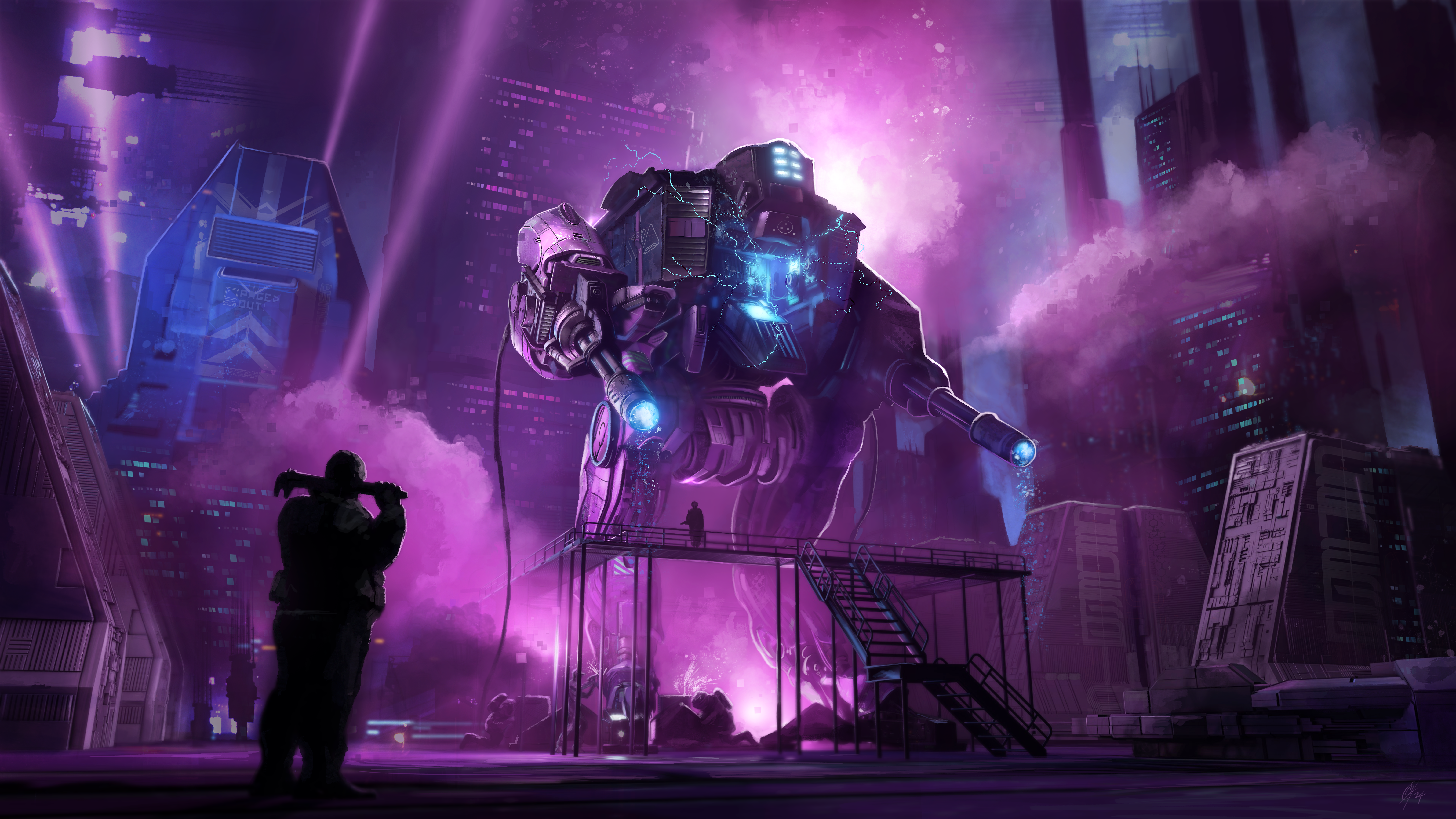
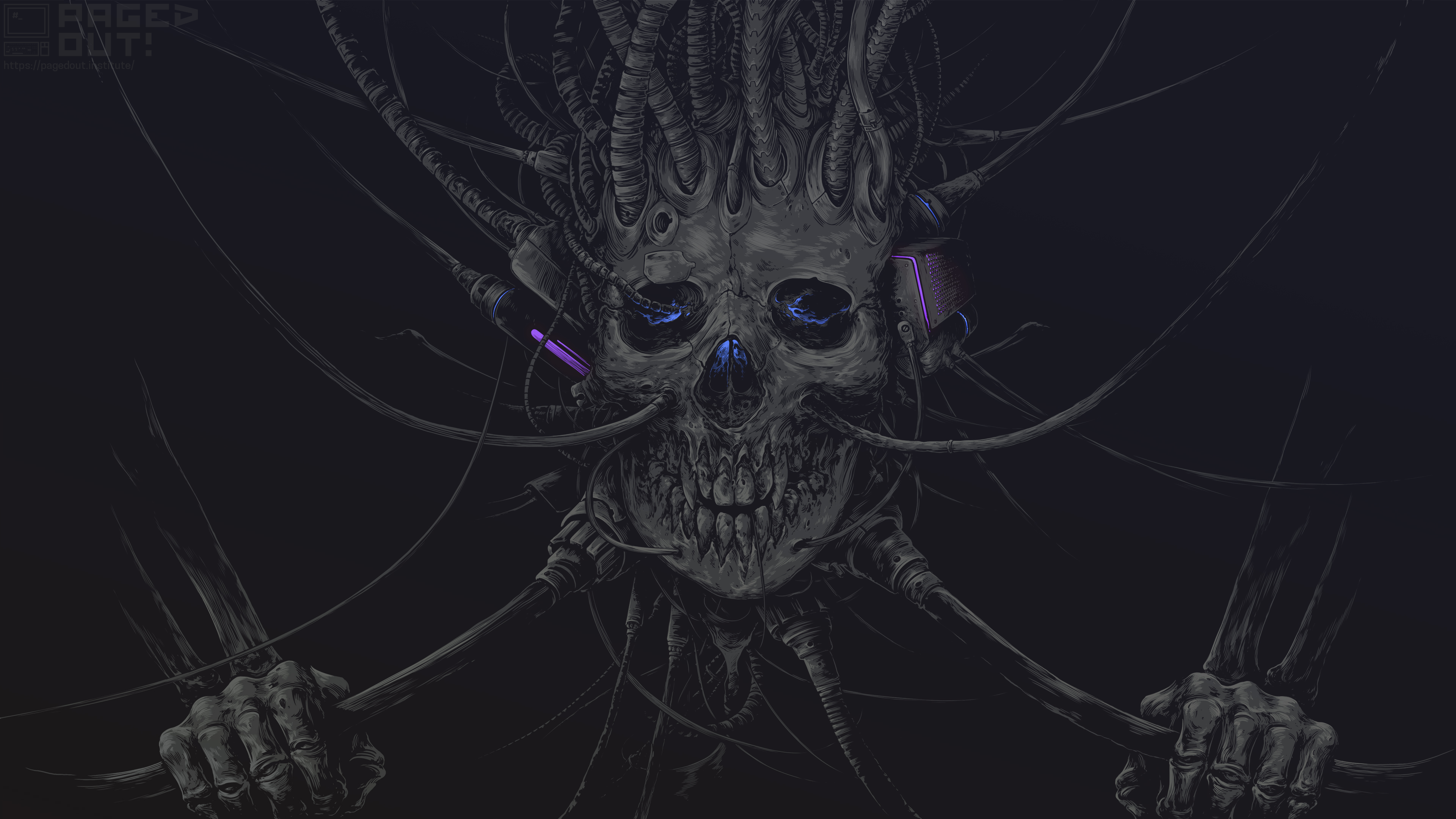
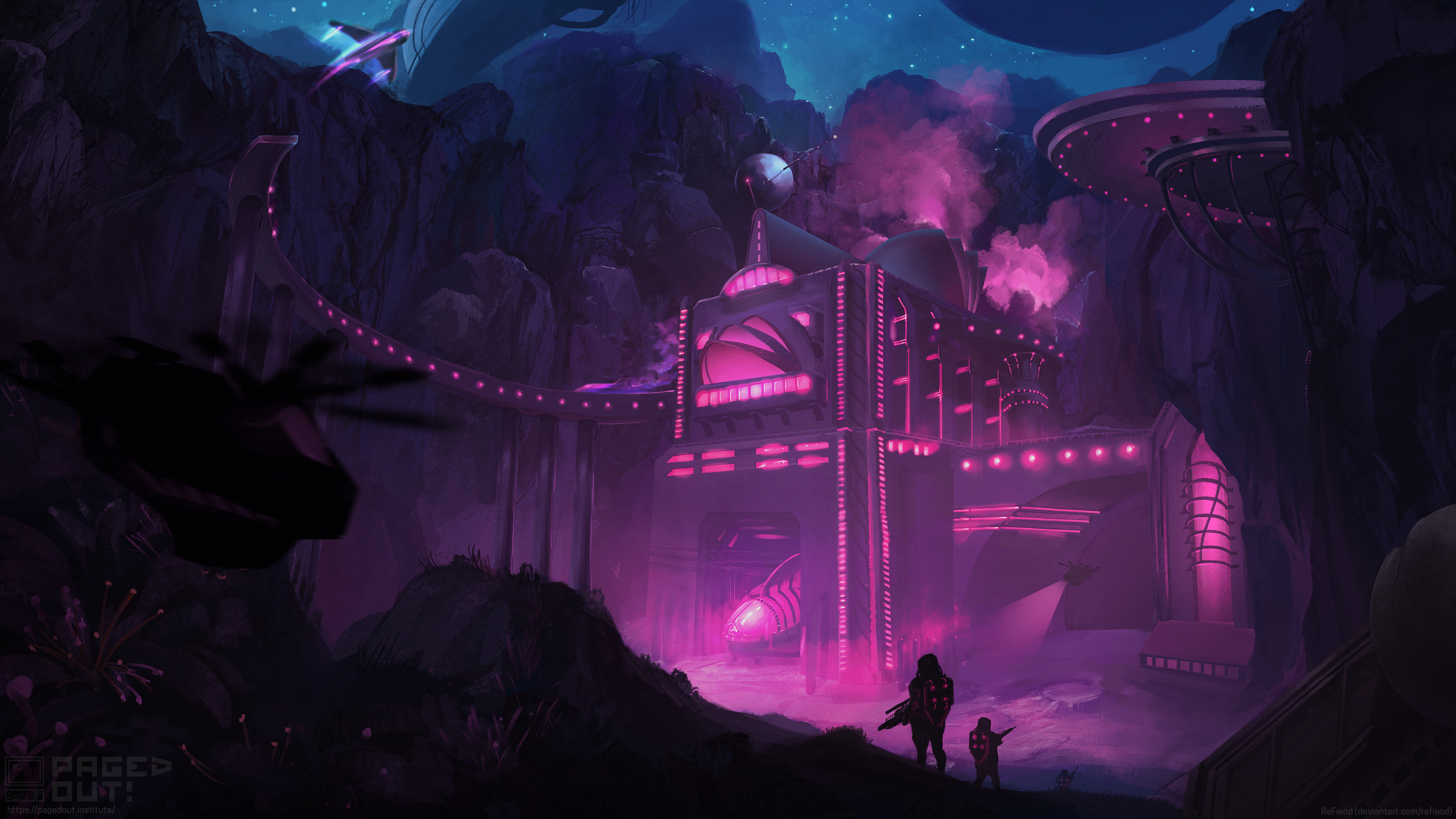
Each Paged Out! issue features a unique cover illustration, and they’ve been quite popular among readers. Can you tell us more about who creates them and how the ideas come about?
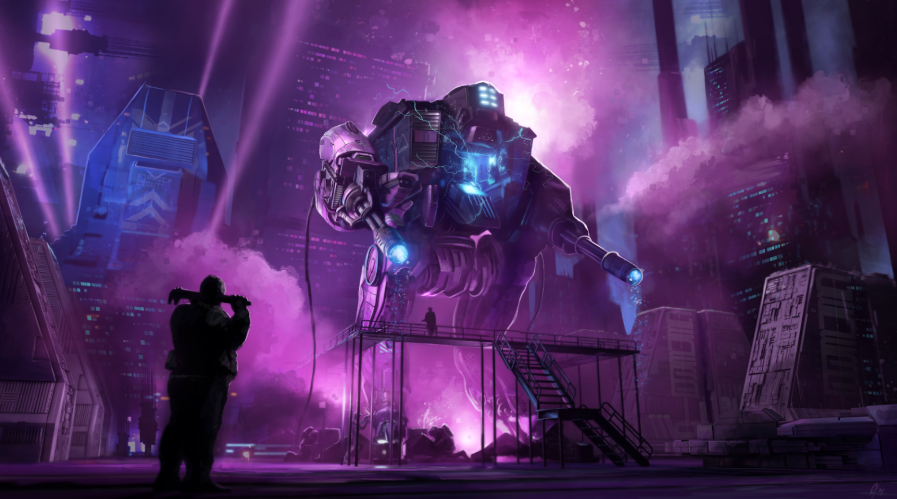
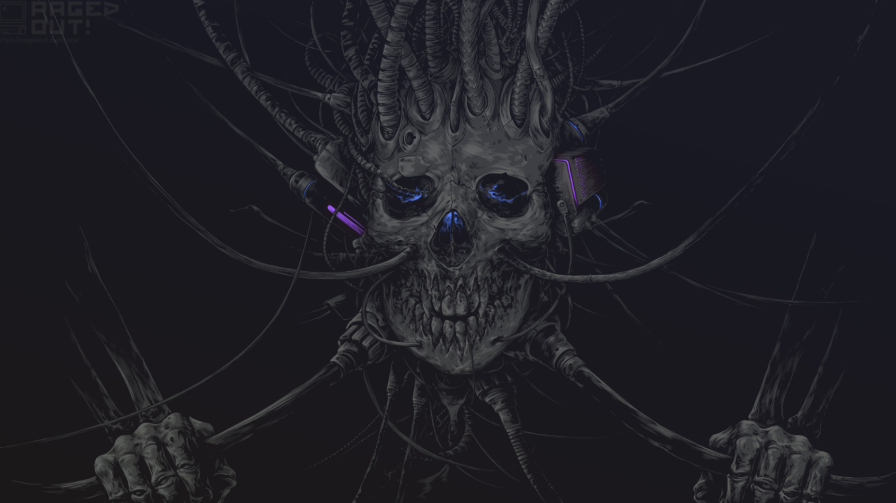
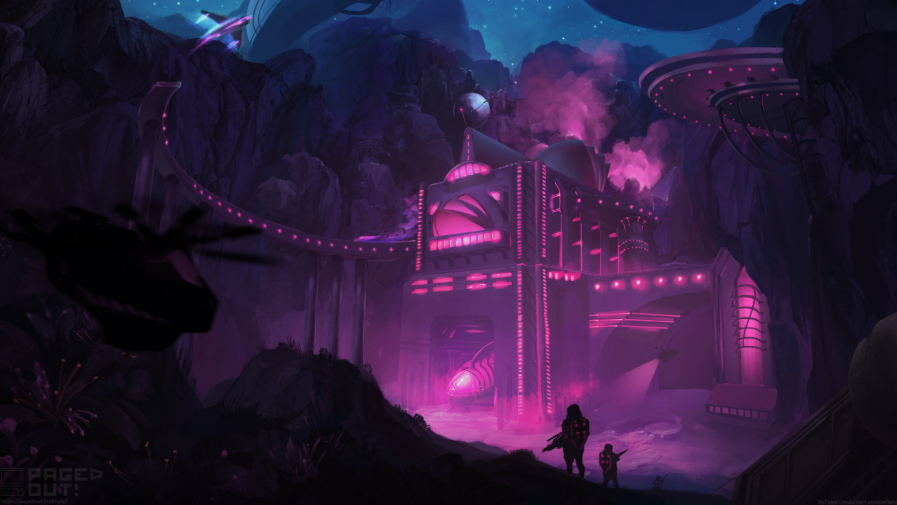
In short, we search – or more accurately, Aga does most of the searching – for artists online whose work we like. Then we reach out to see if they’d be interested in doing a commissioned cover plus a matching 8K-resolution wallpaper. Technically speaking, we provide a five-page spec document, but artistically, we give them a lot of freedom – the only constraint being the color palette, which has to lean heavily into shades of blue and purple.
Are there any major changes planned for the near future?
Nothing too dramatic – mostly incremental improvements. The next big milestone for us is making Paged Out! available through a print-on-demand service, which should happen within the next few weeks. After that, we’ll finally add online previews of individual articles on the magazine’s website.
We couldn’t end this without encouraging you to read Paged Out! Be sure to dive into the back issues – they’re well worth it. And to Gynvael, thank you so much for your time and for sharing such fascinating insights about the project. Together with our readers, we’re rooting for the continued growth of Paged Out!